













JFK believed every able-bodied adult American – especially his military officers – should be able to march 50 miles should the need ever arise. Although his brother Robert was able to complete the "Kennedy March" in Oxford shoes (ouch!), there are much better footwear options available. The loss of a kinesthetic culture has many contributing factors, but society's choice of increasingly impractical footwear is certainly one.
Georges Hébert, a pioneer of a natural movement approach to fitness, urged walking as the ultimate form of exercise and emphasized the importance of proper foot care. In his Practical Guide to Physical Education, he advises:
“Wear wide shoes, which conform to the shape of the foot and not forcing the foot to conform to the shape of the shoe. The sole needs to be supple and larger than the foot, the heel low and wide. A heel too high reduces the length of the step and contributes to poor posture. A... low heel helps increase the length of the step and allows a complete roll out of the foot.”

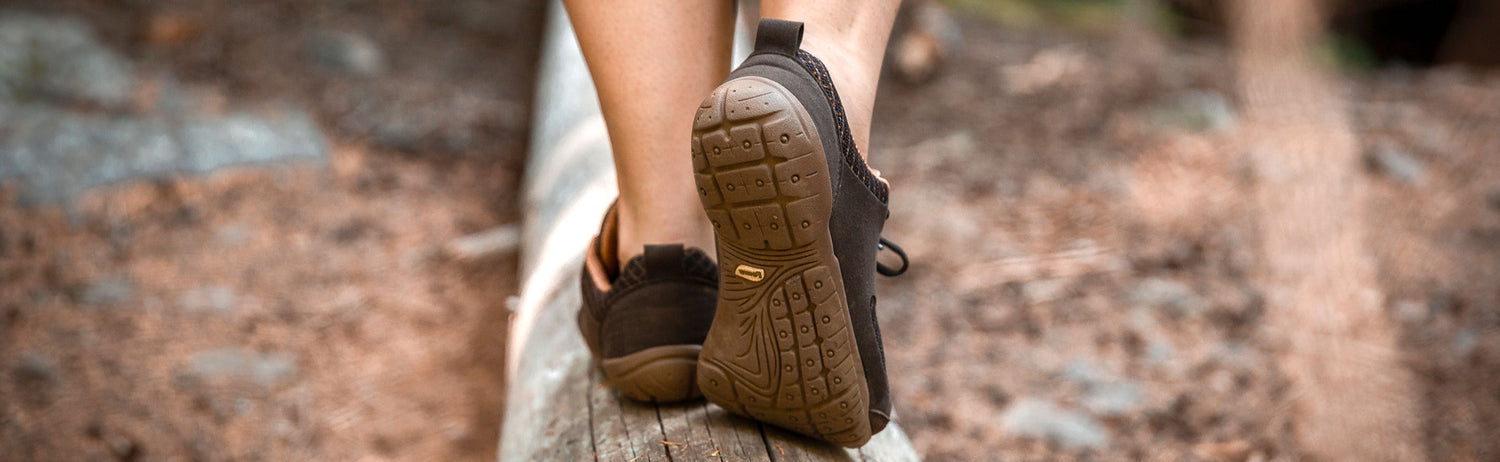
Heeding his advice and taking up Kennedy's challenge, I set out in my trusty zero-drop, wide-toe-box Lems Primal 2 last month hoping to become the first person to ever walk across all three bridges of San Francisco Bay – a loop of almost exactly 50 miles.
Long story short, I didn't make it. The Golden Gate Bridge closes to pedestrians at 6:30pm. I walked 41 miles in 11 hours, though, proving that the full feat is not out of reach of a reasonably fit adult.
Along the way, the road taught me a great deal about good walking form and efficiency. Undeterred by my failure to complete the full march, I'm teaming up with other natural movers and adventurers for another attempt. This time, it will be my Nine2Fives working overtime (I'm still waiting for the release of Lems' long distance marching shoe the Five2Niner).

I've distilled my initial experience – plus the writings of leading biomechanical thinkers and walking experts – into a short guide to walking better (lighter, faster, stronger). Improved technique means less muscular effort over a greater distance. Ultimately, the 50-mile march is about the freedom to get out and explore the world without unnecessary pain and friction. That process begins with undoing the damage of unnatural foot wear and a sedentary lifestyle. As we march, we will be "discovering more with less."
As visionary director Werner Herzog said, “The world reveals itself to those who travel on foot.” May the road rise up to meet you on your own personal pilgrimage.
- Charlie Deist (MovNat Certified Trainer from Berkeley, California)